Focused arrival windows
Useful updates and clear arrival timing.
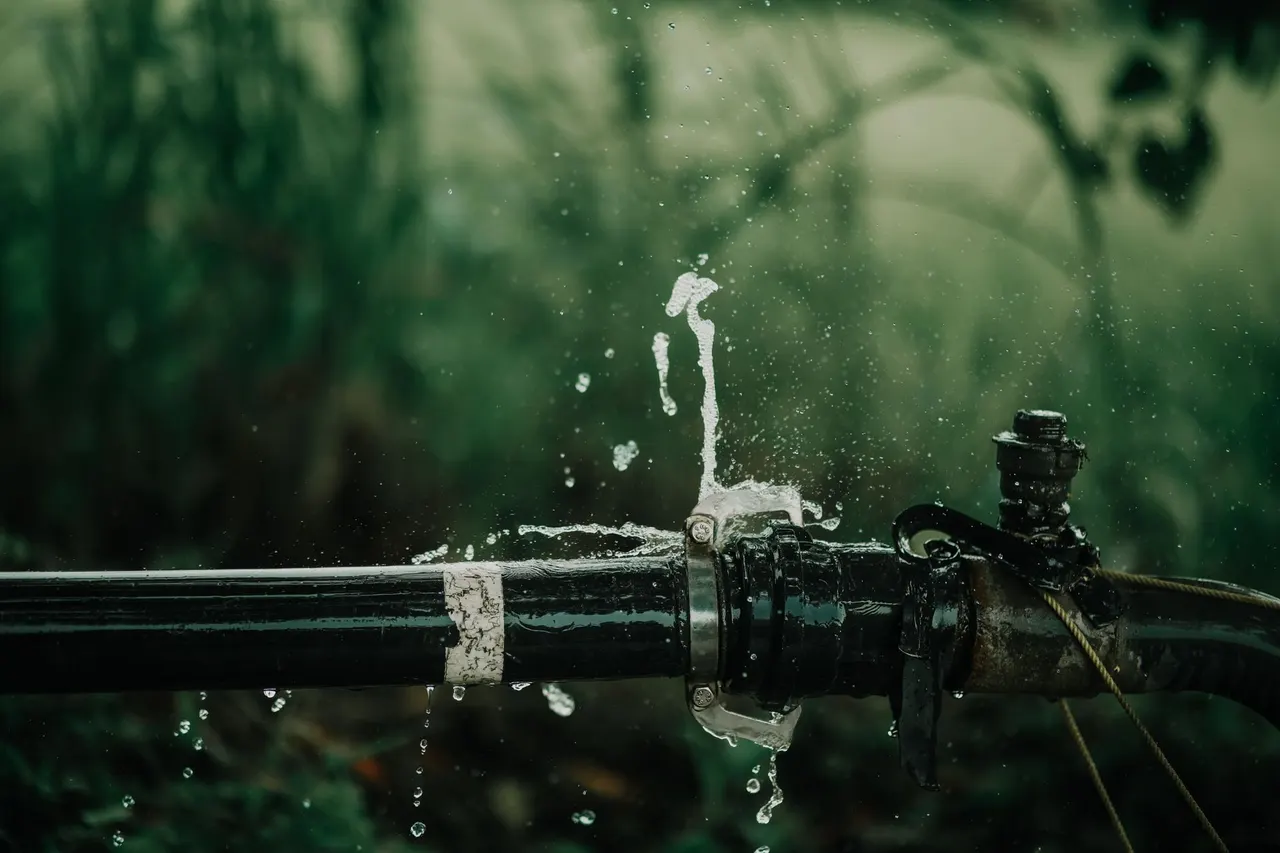
When you need leak detection in Downtown Federal Way, our technicians arrive with acoustic listening gear, thermal imaging cameras and pressure testing gauges to pinpoint the leak without tearing your place apart. We work the older commercial buildings along Pacific Highway South, the high-density mixed-use properties near The Commons, and the single-family homes off South 320th Street. You get a straight answer, a fixed price, and a dry floor.
Useful updates and clear arrival timing.
Review the approach and price before deciding.
Equipped vehicles and respectful cleanup.
Neighbors serving neighbors with follow-through.
Leak detection in Downtown Federal Way is the work of finding water where it should not be, using sound, heat and pressure instead of guesswork and demolition. We do that work every week across the urban core, from the mixed-use buildings near Town Square Park to the older commercial plumbing infrastructure that runs under Pacific Highway South. Downtown Federal Way sits in King County, and the housing stock here is a mix of mid-century homes and newer high-density construction, which means we run into everything from copper pipe corrosion to failed PEX fittings in the same afternoon. Our team carries RIDGID locators, Fluke thermal cameras and Sewerin acoustic gear so we can confirm the leak location before anyone picks up a saw. If you have been searching for water leak detection Downtown Federal Way WA and getting vague answers, we give you the address of the leak and a plan to fix it.
We run five core leak detection services through Downtown Federal Way, and each one uses a different set of tools because the leaks behave differently. A slab leak under a Campus Drive townhome needs acoustic and thermal work. An underground water line leak near Gateway Center needs a pipe locator and tracer gas. If you have been searching for leak detection near me Downtown Federal Way WA and want a crew that carries all of it on one truck, that is what we do.
We trace hidden water leaks in walls, ceilings and floors across Downtown Federal Way using acoustic leak detection and moisture meters. Common calls come from the older commercial buildings along Pacific Highway South and the mixed-use units near The Commons, where a slow supply-line leak can run for weeks behind a cabinet before it shows. We confirm the location, mark it, and give you a repair plan the same visit.
View service →02Slab leaks are common in the mid-century homes off South 320th Street and in the older commercial slabs near Federal Way City Hall. We use acoustic listening equipment and thermal imaging to hear and see the leak under the concrete before we recommend any breaking. If the line is copper and corroded, we can often reroute it overhead instead of cutting the slab, which saves you days of downtime.
View service →03The clay soil under Downtown Federal Way shifts seasonally, and that movement cracks underground water lines and irrigation mains. We locate those leaks with pipe locators, tracer gas and pressure testing gauges, then mark the dig zone so the repair is a small trench instead of a torn-up yard. This is the service that saves the most money on water bills in ZIP code 98003.
View service →04Sprinkler systems around Town Square Park and the residential blocks near the Federal Way Library run hard in summer and sit idle in winter, which is when cracked valves and root intrusion show up. We pressure test each zone, use acoustic gear to find the break, and repair or cap the line. If you are seeing a spike in your summer water bill, this is usually the cause.
View service →05We handle commercial leak detection for the high-density mixed-use buildings and retail spaces around Gateway Center and 1st Avenue South. That means after-hours scheduling, video pipe inspection cameras for drain lines, and coordination with property managers so tenants are not disrupted. A commercial slab leak can shut down a business, so we prioritize fast location and a clear repair scope.
View service →Downtown Federal Way is a dense, mixed-use core, and that changes how we work. Parking near The Commons at Federal Way or the Federal Way Transit Center can be tight, so we schedule commercial jobs around tenant hours and bring compact gear that fits service corridors. Most of the housing stock here was built before current Washington State plumbing code, so we check for copper pipe corrosion and older PVC joints that may not meet today's standards. Our process starts with a pressure testing gauge on the main, then acoustic leak detection and thermal imaging camera scans to isolate the leak. We confirm with a moisture meter before we mark anything. For underground water line leak detection Downtown Federal Way property owners often need, we add a pipe locator and tracer gas to avoid unnecessary digging. If you need 24/7 leak detection Downtown Federal Way open now, we run emergency calls through the night, and we can usually be on site within the hour for active leaks in ZIP codes 98003 and 98023.
Seasonal soil movement cracks underground water lines and irrigation mains, which leads to hidden leaks that do not surface for months. Water bills climb before anyone sees a wet spot. We use pipe locators and tracer gas to map the line before we dig, then pressure test each segment to confirm the break. That keeps the excavation small and the repair targeted instead of tearing up a whole yard or parking strip.
Pinhole leaks and slab leaks are common in the older homes and commercial buildings around South 320th Street and Federal Way City Hall. Corrosion inside the pipe is usually the root cause. We run acoustic leak detection and thermal imaging to find the pinhole, then recommend a repair clamp, epoxy resin or a full reroute depending on pipe condition. If the line is too far gone, we reroute overhead to avoid breaking the slab.
A leak in one unit near Gateway Center or The Commons can affect multiple tenants, and the source is often not in the unit where the water shows up. We use video pipe inspection cameras and ultrasonic leak detectors to trace the line through shared walls and ceilings. We coordinate with property managers so we can isolate the correct unit and fix the right pipe the first time.
All leak detection and repair work in Downtown Federal Way must be performed by a licensed plumbing contractor. We hold the required state license and pull permits when the repair scope requires it, which protects you at resale and keeps the work code-correct.
Commercial properties in King County must maintain backflow prevention assemblies and test them annually. When we do commercial leak detection, we check the assembly and flag any cross-connection risk so your property stays compliant with local water authority rules.
WaterSense-labeled fixtures and irrigation components reduce baseline water use, which makes leak-related spikes easier to spot. We reference these standards when we advise on repairs so you are not replacing a leaking part with an inefficient one.
Downtown Federal Way has a specific set of conditions that cause leaks: clay soil that shifts with the seasons, older copper and galvanized plumbing, and a dense mix of commercial and residential buildings. These factors drive the problems we see most often. If you recognize any of these, call us for water leak detection Downtown Federal Way WA before the damage spreads.
Many homes around South 320th Street and Campus Drive were built with copper supply lines under the slab. Decades of contact with concrete and soil causes corrosion and pinhole leaks. The leak runs under the floor where you cannot see it until damage is done. We use acoustic leak detection and thermal imaging to locate the leak without breaking the slab. If the pipe is too corroded to repair, we reroute the line overhead through the attic or ceiling, which avoids demolition and gets you back to normal faster.
The clay soil under Downtown Federal Way expands when wet and contracts when dry. That movement stresses underground water lines and irrigation mains, causing cracks at joints and fittings. These leaks often go unnoticed until the water bill spikes. We use pipe locators and tracer gas to map the line and find the break, then pressure test to confirm. The repair is a targeted trench, not a full yard excavation. We backfill and compact so the ground settles correctly.
The commercial buildings along Pacific Highway South and around Gateway Center have aging copper and galvanized pipe. Years of water chemistry and pressure changes cause pinhole leaks that drip inside walls and ceilings, often in shared spaces. We use video pipe inspection cameras and ultrasonic leak detectors to trace the line through shared walls. We repair with pipe repair clamps or epoxy resin when the pipe is sound, and recommend rerouting when it is not. We schedule after hours to keep businesses open.
Trees and shrubs near Town Square Park and the residential blocks around the Federal Way Library send roots into irrigation lines. The roots crack PVC pipe and fittings, causing slow leaks that waste water all summer and show up as dead patches in the lawn. We pressure test each zone to isolate the break, then use acoustic gear to pinpoint the root intrusion. We replace the damaged section, clear the roots, and test the zone before we leave. If the system is old, we can cap unused zones to stop the leak permanently.

Downtown Federal Way is compact, and we use the major landmarks to orient our routes and schedule arrival windows. The Federal Way Transit Center and The Commons at Federal Way are our two main reference points for the commercial core. Town Square Park and the Federal Way Library help us locate the residential blocks just off the main corridors. Federal Way City Hall anchors the civic side of downtown, and we use it to navigate the streets around 1st Avenue South. Knowing these landmarks keeps our dispatch tight and our arrival times accurate.
This is a major transit hub in the downtown core. We use it as a central reference point for routing to nearby commercial and residential streets, and it helps us give accurate arrival windows when traffic is heavy.
A large retail and dining complex that anchors the downtown commercial district. We use it to orient service calls to the surrounding mixed-use buildings and retail spaces along Pacific Highway South.
The civic center on 1st Avenue South. We use it as a navigation marker for the surrounding streets and for scheduling commercial work that requires coordination with city departments.
A central public park in downtown. It helps us locate the residential blocks and mixed-use buildings that surround it, especially when we are routing to calls in the dense core.
The downtown library branch is a familiar reference point for the surrounding neighborhood. We use it to confirm addresses and give customers a clear landmark when we describe our arrival route.
This is the primary commercial corridor through Downtown Federal Way, with a mix of older retail buildings, restaurants, auto services and professional offices. The plumbing infrastructure is aging, and many properties have had multiple renovations over the decades.
A retail and office hub near the downtown core with higher-density development. Shared plumbing systems and common walls are common, which means leak detection often requires tracing lines across multiple units.
Located in the downtown core with direct access from Pacific Highway South. It is a central point for our routing and a convenient landmark for customers giving directions.
A main north-south route through downtown that connects the civic center, commercial districts and residential blocks. We use it as a primary access route for service calls.
We cover the full Downtown Federal Way core, from the commercial blocks along Pacific Highway South to the residential streets off South 320th Street. Each area has its own leak patterns, and we know them because we work them regularly. Here is how we break down the coverage.
This is the main commercial spine through Downtown Federal Way, lined with older retail buildings, restaurants and mixed-use properties. The plumbing infrastructure here is older, and we see a lot of pinhole leaks and failed shut-off valves. Commercial leak detection calls here usually involve after-hours scheduling so businesses can stay open. We are on this corridor regularly, so response is typically under 45 minutes during business hours.
The Gateway Center district has a mix of retail, office and higher-density residential. Shared walls and common plumbing runs mean a leak in one unit can show up in another. We use video pipe inspection cameras and ultrasonic leak detectors to trace the source without opening every wall. Close to our regular service route, with same-day scheduling most weekdays.
Campus Drive runs through a dense residential and mixed-use zone with a lot of townhomes and condos. Slab leaks and supply-line leaks in shared walls are the most common calls. Because these buildings are close together, we prioritize fast location to prevent water from reaching neighboring units. We can usually be on Campus Drive within an hour for active leaks.
The South 320th Street neighborhood has more single-family homes and older duplexes. The housing stock is mid-century, and copper pipe corrosion is a recurring issue. We handle a lot of slab leak detection and underground water line leak detection here, especially after heavy winter rain. Direct access from our Downtown Federal Way base, with typical arrival under 50 minutes.
These are real jobs we have run in Downtown Federal Way. They show what accurate leak detection looks like when the tools and the experience are there. Each one started with a customer who suspected a leak but did not know where it was.
A property manager near The Commons at Federal Way had a tenant reporting a warm spot on the floor and a water bill that jumped by $180 in one month. The source was not visible. We ran thermal imaging camera scans across the unit and used acoustic leak detection to isolate a hot-water slab leak under the living room floor. We confirmed with a pressure testing gauge, marked the location, and rerouted the line overhead through the ceiling to avoid breaking the slab. The leak was fixed in one day, the tenant stayed in the unit, and the next water bill dropped back to normal. No slab demolition was needed.
A homeowner on South 320th Street noticed a soggy patch in the yard that never dried out, even in summer. The irrigation system was the suspected cause, but the valves were not leaking. We pressure tested each irrigation zone and used a pipe locator and tracer gas to trace the underground line. The break was a cracked PVC fitting under a root intrusion. We excavated a small trench, replaced the fitting, and tested the zone before backfilling. The yard dried out within a week, and the homeowner avoided replacing the entire irrigation system. The repair cost was a fraction of a full replacement.
A commercial building on Pacific Highway South had water staining on a shared wall between two units. Neither tenant could find the source, and the property manager was worried about mold. We used a video pipe inspection camera and ultrasonic leak detector to trace the line through the shared wall. The leak was a pinhole in a copper supply line behind a cabinet. We repaired it with a pipe repair clamp and epoxy resin, then verified with a moisture meter. The wall dried out, no mold developed, and both tenants stayed open for business. The repair was completed in under three hours.
Downtown Federal Way gets wet winters and dry summers, and that cycle drives leak behavior. Fall is when we start seeing the first signs of underground leaks as the rain returns. Winter brings frozen pipe risk and slab leaks from temperature swings. Spring is when the ground saturates and irrigation systems wake up. Summer is peak irrigation season. If you need 24/7 leak detection Downtown Federal Way open now, we run emergency calls through every season.
Spring rain saturates the clay soil, which increases pressure on underground water lines and irrigation mains. Leaks that were slow in winter can become active in spring. We also see irrigation systems starting up with cracked valves and root intrusion from the previous year.
Irrigation systems run daily, and that is when underground irrigation leaks show up as dead grass patches or a water bill spike. Slab leaks also become more visible because the warm weather makes floors feel hotter than usual. Water demand is highest in summer, so leaks waste the most water now.
Fall rain returns and the soil starts to shift, which can open cracks in underground lines. This is when we see a rise in underground water line leak detection calls. It is also the time to winterize irrigation systems before the first freeze.
Freezing temperatures can crack exposed pipes and cause slab leaks as the ground shifts. Downtown Federal Way does not get extreme cold often, but when it does, pipes in crawlspaces and exterior walls are at risk. We run emergency calls for burst pipes and frozen lines.
From our Downtown Federal Way base, we cover the surrounding communities as part of a cohesive service region. Twin Lakes is our other primary service area, and we run regular routes between the two. We also service all surrounding Federal Way neighborhoods including Marine Hills, Adelaide, West Campus, Mirror Lake, Steel Lake, Redondo, Kitts Corner, Buenna, Lakota, and Campus Highlands. If you are just outside the downtown core, call us and we will confirm coverage.
Not every leak detection company in Downtown Federal Way uses the same tools or the same approach. Some will guess and start cutting. Others will find the leak and fix it right. These are the questions that separate the two, and you should ask them before you hire anyone.
A company that relies on guesswork will open walls and break slabs unnecessarily. We use acoustic leak detection, thermal imaging cameras, pressure testing gauges and pipe locators. If they cannot name their tools, they are not equipped to find the leak accurately.
Leak detection and repair in Downtown Federal Way requires a Washington State Plumber License. Insurance protects you if something goes wrong. Ask for the license type and coverage details. If they hesitate, hire someone else.
Some companies add a large after-hours fee. We keep emergency rates fair and transparent. Ask what the total will be before they dispatch, so you are not surprised by the bill.
A fixed price means you know the cost upfront. If a company only gives hourly rates or vague estimates, the bill can climb. We provide a fixed price based on the leak location and repair scope.
Some leak detection companies only locate the leak and leave the repair to someone else. That means two contractors and two bills. We locate and repair, so you have one point of contact and one warranty.
American Society of Sanitary Engineering
U.S. Environmental Protection Agency
Occupational Safety and Health Administration
$2M general liability
Member
Member
Most residential leak detection calls in Downtown Federal Way run $180 to $450 in 2026. Commercial and slab leak detection runs $350 to $800. The price depends on access, pipe material and how many tools we need. We give you a fixed price before we start, and emergency calls are priced fairly with no hidden after-hours fees.
The best company is the one that finds the leak on the first visit and fixes it right. We use acoustic leak detection, thermal imaging and pressure testing on every job, and we are licensed and insured in Washington. Our customers in ZIP codes 98003 and 98023 keep calling us back because we show up when we say we will.
Yes. We run 24/7 emergency leak detection in Downtown Federal Way, including nights, weekends and holidays. For active leaks, we prioritize dispatch and can usually be on site within the hour. Call us and we will give you a clear arrival window and a fixed price before we head out.
The most common causes are clay soil shifting that cracks underground lines, copper pipe corrosion in mid-century homes, and root intrusion in irrigation systems. Freezing winter temperatures can also crack exposed pipes. If your water bill spikes or you see a wet spot, call us for a leak check before the damage spreads.
Yes. We use acoustic leak detection and thermal imaging to locate slab leaks under concrete without demolition. If the pipe is too corroded to repair, we can reroute the line overhead through the attic or ceiling. That saves you days of downtime and avoids the cost of breaking and patching the slab.
Not seeing your question? Our local team can help you understand urgency, scheduling and what to expect.
Ask the local teamCall us at (253) 294-9862 any time, day or night. We answer 24/7 and schedule same-day appointments whenever possible. If you're dealing with an active leak, tell us what you're seeing and we'll get a technician headed your way.